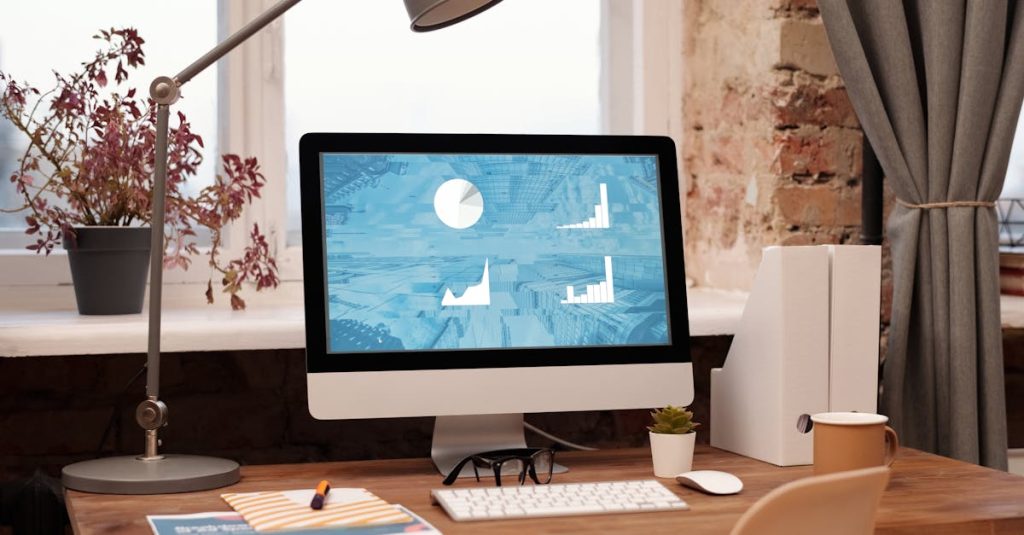
In a world overflowing with digital noise, minimalist website design emerges as a breath of fresh air. Imagine walking into a serene gallery where every piece of art captivates your attention—this is what a well-crafted minimalist site can do for your brand. By stripping away the clutter, you create a space that allows your message to shine, making it easier for visitors to engage and connect.
Modern consumers crave simplicity and clarity. They want to navigate effortlessly, absorbing information without distractions. A minimalist approach not only enhances user experience but also reinforces your brand’s identity. Think of it as a powerful tool that conveys confidence and sophistication, allowing your brand to stand out in a crowded marketplace. Embrace the elegance of less, and watch as your website transforms into a compelling platform that resonates with your audience.
The Power of Minimalist Website Design for Modern Brands
Minimalist website design serves as a breath of fresh air in a realm cluttered with distracting visuals and overwhelming content. Imagine strolling through a serene gallery where each piece has room to breathe and speak for itself. Just like that gallery, a minimalist site allows your brand’s message to take center stage, effortlessly capturing the attention of visitors without unnecessary distractions.
Today’s consumers are like butterflies flitting from flower to flower; they crave simplicity and clarity in their online experiences. According to studies, websites that embrace a minimalist design often see improved user engagement. When you strip away the excess and focus on core elements, visitors find navigation easier and interactions more intuitive. An uncluttered layout guides them seamlessly from one section to the next, creating a fluid journey that fosters both curiosity and connection.
Furthermore, a clean design enhances your brand identity. It communicates sophistication and confidence. Consider how the absence of busy graphics and unnecessary text can elevate the perception of your brand. Instead of shouting for attention, a minimalist website whispers elegance, drawing visitors in with its understated charm. This approach not only makes your brand memorable but also invites trust; users are more likely to engage with a site that feels well-organized and thought-provoking.
As you contemplate your digital footprint, remember that less can indeed be more. A balance between whitespace and meaningful content highlights what truly matters, whether it is your product offerings or your brand story. In an age where first impressions are often made in a matter of seconds, investing in a minimalist design can be the key to standing out amidst the digital noise. By embracing simplicity, you craft an online presence that resonates deeply with your audience, encouraging them to linger, explore, and ultimately choose your brand.
Key Features of Minimalist Website Design
Minimalist website design strips away the unnecessary and focuses on what truly matters. By embracing simplicity, brands can create a powerful online presence that captivates their audience.
Simplicity and Clarity
At the heart of minimalist design lies simplicity, akin to a clear sky that allows the sun to shine unabated. You will find that a clean layout enables your message to be front and center, without distractions pulling your visitors away. This clarity fosters an authentic connection with users, ensuring they grasp your brand’s essence in mere seconds. When images and text complement one another without the clutter of excessive elements, users are more likely to engage instead of feeling overwhelmed.
Visual Hierarchy
Think of visual hierarchy as the roadmap guiding your visitors through the terrain of your website. Using size, contrast, and alignment, you can direct attention to essential elements like headlines and calls to action. Each section of your website serves a purpose, much like a well-structured symphony where every note contributes to the overall harmony. By prioritizing content in this way, your visitors can discern the most critical information effortlessly, leading to improved navigation and satisfaction.
Use of White Space
White space is not merely empty space; it is the air that breathes life into your page. When utilized effectively, it can create an inviting atmosphere that encourages exploration. Imagine standing in a beautifully designed gallery where every piece has room to breathe. This same principle applies to your website. By incorporating ample white space around text and images, you not only enhance readability but also elevate perceived sophistication. It allows every element to shine without competing for attention.
Limited Color Palette
A well-chosen color palette evokes emotions and conveys brand personality. Minimalist design thrives on a limited selection of colors, creating a cohesive look that resonates with your audience. Like a master painter using a few strokes to create a captivating scene, you can use one or two primary colors alongside neutrals to craft a visually appealing site. This streamlined approach helps establish a recognizable brand identity, making it easy for users to connect with and remember your site. Too many colors can evoke chaos, while a strategic palette instills a sense of harmony and trust.
Advantages of Minimalist Website Design
Minimalist website design offers a plethora of advantages that resonate with both brands and users in today’s fast-paced digital environment. By stripping away unnecessary elements, you can create an engaging online experience that captivates visitors.
Enhanced User Experience
Imagine wandering through a well-organized art gallery where each piece is carefully placed to draw your attention. That’s the essence of enhanced user experience in minimalist design. By prioritizing simplicity and clarity, you enable users to navigate your site effortlessly. The straightforward layout invites them to explore, minimizing frustration and maximizing satisfaction. Visitors can find what they need quickly, which keeps them engaged and encourages them to linger longer, creating a more enjoyable interaction with your brand.
Improved Load Times
A website laden with heavy graphics and extraneous features can feel like a slow-moving vehicle stuck in traffic. In contrast, a minimalist approach trims the fat, leading to significantly improved load times. Fast-loading sites not only please impatient users but also positively affect your site’s search engine ranking. The quicker your site loads, the more likely your visitors are to stay and engage with your content. This seamless performance transforms what could be a tedious experience into a smooth ride, enhancing overall satisfaction.
Increased Conversion Rates
In a world where every click counts, a minimalist design can act as a catalyst for increased conversion rates. By removing distractions and focusing on your core message, you guide users toward desired actions—be it signing up for a newsletter or making a purchase. An uncluttered presentation emphasizes call-to-action buttons and essential information, captivating the viewer’s attention like a spotlight on a stage. The result? Higher engagement and a greater likelihood of users taking the steps you want them to take, ultimately boosting your brand’s bottom line.
Embracing minimalist design transforms your website into a powerful tool that resonates with users, fostering a memorable experience while driving tangible results.
Disadvantages of Minimalist Website Design
While minimalist website design offers various advantages, it also harbors significant drawbacks that can affect a brand’s presence on the digital landscape. Recognizing these challenges can help you make informed decisions about your online strategy.
Risk of Over-Simplification
In the pursuit of simplicity, you may teeter on the edge of over-simplification. When your website strips away too much content or visual elements, it risks appearing barren or lacking substance, much like a blank canvas that fails to inspire. This can confuse users rather than guide them, as essential information might be hidden or underrepresented. For instance, if critical features like contact forms or product details are too deeply buried beneath a sea of white space, visitors may leave frustrated, unable to find what they need. Balancing minimalism with adequate content is key to ensuring your message resonates effectively with your audience.
Potential Lack of Brand Identity
Minimalism can sometimes blur the lines of your brand identity, leaving it without a distinctive flavor. In an environment where uniqueness drives engagement, a design that leans too heavily into simplicity might render your brand forgettable, much like a shadow that fades into the background. If your website relies on strict adherence to minimalist principles at the expense of personal branding elements, you risk losing the emotional connection that differentiates your brand from the competition. Unique typography, vibrant imagery, and compelling storytelling are essential ingredients in crafting a relatable identity that visitors can latch onto. Without these, your site may feel like just another fish in the vast ocean of the internet, failing to engage or create lasting impressions.
Performance and User Experience
When it comes to minimalist web design, performance doesn’t just play a supporting role; it takes center stage. A streamlined website not only loads faster but also provides an intuitive user experience that keeps visitors coming back for more.
Accessibility and Usability
Creating a user-friendly interface is at the heart of minimalist design. The essence of accessibility lies in ensuring that every visitor can navigate your site with ease. With clutter-free layouts and clear typography, users find what they need in a heartbeat. Imagine walking through a well-organized library; every section is clearly labeled, making it simple to locate your favorite book. Similarly, your website should guide users smoothly through its digital corridors. By incorporating features such as larger buttons and adequate contrast, you enhance usability, allowing even those with disabilities to explore your site without obstacles. It’s not only about a functional design but about weaving a tapestry that invites everyone to engage fully with your content.
Mobile Responsiveness
In an age where people hold the world in their palms, mobile responsiveness is vital. Picture a beautiful painting framed in an oversized frame; it may captivate, but if it doesn’t fit the space, it loses its impact. Likewise, your website must adapt seamlessly to various screen sizes, ensuring it remains stunning and functional whether viewed on a smartphone or a large desktop screen. A responsive design takes the guesswork out of navigation, allowing users to enjoy a consistent experience across devices. This adaptability not only boosts user engagement but also positively impacts SEO rankings. Search engines appreciate mobile-friendly sites, and as a result, they reward them with higher visibility. Prioritizing responsiveness transforms your web presence from a simple platform into a powerful magnet that attracts and retains visitors.
Comparison with Other Design Trends
When analyzing minimalist website design, it’s essential to contrast it with various other trends shaping the digital landscape. Understanding these differences can help you determine the best approach for your brand’s online presence.
Minimalism vs. Maximalism
In the design world, minimalism often dances on the opposite end of the spectrum from maximalism. While minimalist design embraces simplicity, allowing the essential elements to shine like stars in a night sky, maximalism boasts an abundance of details, textures, and vibrant colors that can be overwhelming to the user. Imagine walking into a serene gallery where every piece draws you in versus stepping into a carnival filled with flashing lights and sounds that bombard your senses.
A minimalist website focuses on a few impactful visuals and clear messaging, effectively drawing attention to key information. On the other hand, a maximalist approach can create a chaotic environment, leaving visitors unsure of where to focus their gaze. While some brands may find success in a more extravagant design, the risks of diluting vital messages are high. A user-friendly site often emerges victorious over flashy aesthetics when it comes to user experience.
Minimalism vs. Flat Design
Both minimalist and flat design share a common foundation in simplicity, yet they diverge in execution and visual appeal. Minimalism strips web design down to its essentials like a sculptor chiseling away at a block of marble to reveal beauty, whereas flat design focuses on two-dimensional aesthetics without the use of shadows or gradients, creating a clean but layered effect.
With flat design, your elements can look sleek and polished but may lack the warmth and human touch that minimalist design often incorporates. For example, minimalism utilizes white space and strategically placed imagery to evoke emotions or memories, akin to a well-composed photograph that invites you in. In contrast, flat design often feels more like an infographic, where the information is clear but the emotional connection can feel slightly distant.
In your quest for the right design trend, balancing efficiency with visual storytelling is key. Minimalist design encourages storytelling through simplicity, allowing users to connect with your brand at an emotional level. Flat design could convey critical information efficiently but may miss the mark in forging those strong connections. Understanding these distinctions will help you choose a design that not only suits your brand’s identity but resonates with your target audience.
Hands-On Experience: Implementing Minimalist Design
Embracing minimalist design is akin to embarking on a journey where clarity illuminates the path to success. By putting theory into practice, you unlock the potential for your brand to flourish in the digital landscape.
Case Studies of Successful Brands
Several modern brands have successfully integrated minimalist design into their online presence, creating visually striking and user-friendly experiences that resonate with their audiences. Take Apple, for instance. Their website embodies simplicity with spacious layouts and streamlined navigation that highlights product offerings without overwhelming visitors. The focal point is always on the products themselves, enhancing user engagement through beautiful imagery and crisp typography. Similarly, Dropbox takes minimalist design a step further with a clean interface that emphasizes functionality. Users feel guided as they navigate seamlessly, effortlessly finding what they need without distractions or clutter.
Another noteworthy example is the fashion retailer Everlane, which utilizes minimalism not only in website design but also in its brand ethos. Their transparent approach to pricing is reflected in their straightforward layouts. Each product page tells a story that builds trust and connection with the consumer. These brands showcase how a minimalist approach can elevate not just aesthetics but also user experience, leading to higher engagement and conversion rates. You can draw valuable insights from these case studies as you implement minimalist principles in your own design.
Tools and Resources for Minimalist Design
When digging into minimalist web design, having the right tools at your disposal is key. Platforms like Adobe XD and Sketch allow you to create stunning wireframes and prototypes with confidence. These powerful tools encourage precision while crafting layouts that breathe simplicity and elegance. Figma, a collaborative interface design tool, helps you engage with your team in real time, ensuring everyone is aligned with the minimalist vision.
For color palettes that convey emotion without complexity, websites like Coolors and Color Hunt can be your guiding stars. These resources provide a range of harmonious color schemes that engage users while remaining cohesive to your brand identity. Additionally, utilizing typography tools such as Google Fonts or Typekit allows you to select typefaces that communicate your message effectively, giving weight to your content without visual clutter.
Finally, don’t underestimate the power of inspiration. Websites like Behance and Dribbble showcase some of the best minimalist designs from around the globe. Browsing these platforms can spark creativity, providing fresh ideas on how to present your content. Each example contributes to the broader narrative of your brand while aligning with the minimalist philosophy that champions simplicity, clarity, and competent storytelling. Armed with these resources and insights, you are well-equipped to create a minimalist design that captivates and retains your audience’s attention.
Conclusion
Embracing minimalist website design can significantly elevate your brand’s online presence. By prioritizing simplicity and clarity, you create a space where your message can shine without distractions. This approach not only enhances user experience but also fosters authentic connections with your audience.
As you implement these principles, remember the importance of balance. While minimalism offers numerous benefits, it’s key to maintain enough content and distinctive elements to keep your brand memorable. A well-executed minimalist design can transform your website into a powerful tool that attracts and retains visitors, ultimately driving your brand’s success in a competitive digital landscape.