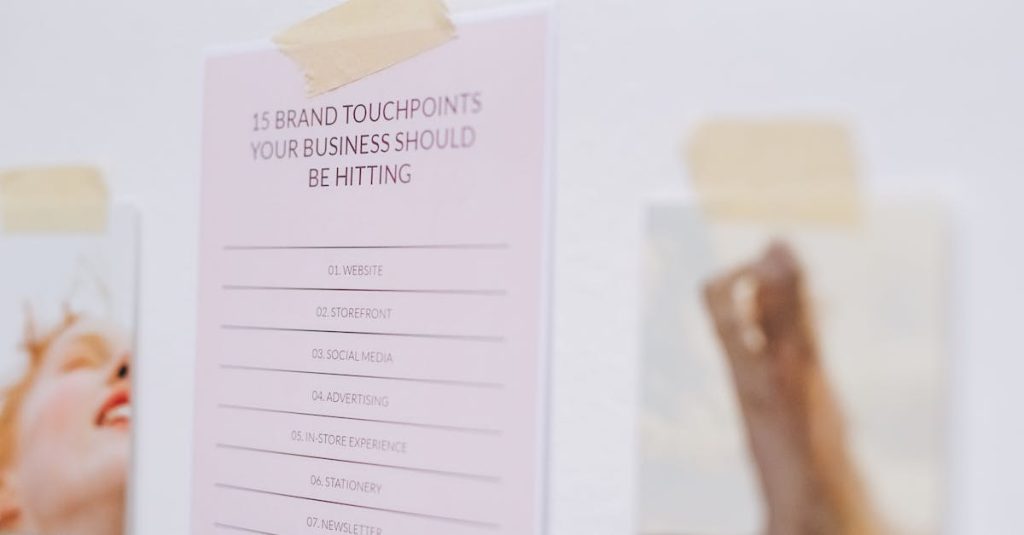
In today’s digital landscape, your website is often the first impression potential customers have of your brand. It’s more than just a collection of pages; it’s the face of your business, speaking volumes about your values, professionalism, and creativity. Just like a well-tailored suit can elevate a person’s image, an aesthetically pleasing and functional website can significantly enhance your brand’s perception.
Every color, font, and layout choice tells a story, weaving together a narrative that reflects who you are. If your design is cluttered and chaotic, visitors might think your brand lacks direction. Conversely, a sleek and modern design can evoke trust and inspire confidence. Dive into the world of web design and discover how your choices shape your brand identity, leaving a lasting impression that resonates with your audience.
What Your Website Design Says About Your Brand
When visitors land on your website it’s like stepping into your digital storefront. This initial encounter sets the stage for everything that follows. A thoughtfully designed site communicates your brand’s values and ethos directly to your audience, in much the same way a well-curated storefront draws customers inside.
Colors play a pivotal role in shaping perceptions. For instance a vibrant palette can evoke excitement and enthusiasm, while cooler tones might convey tranquility or professionalism. Imagine walking into a car dealership. A sleek modern design might scream luxury and efficiency while a cluttered space could hint at chaos and uncertainty. Your choice of color not only colors the mood but also reflects your brand’s personality.
Typography acts as the voice of your website. It can express elegance through serif fonts or embody modernity with clean sans-serif styles. If your typography is hard to read or inconsistent throughout your website it may signal a lack of attention to detail. Your font choices combine with layout to weave a narrative. A well-structured layout with ample white space facilitates easy navigation, leading visitors through your site like a well-marked trail in the woods.
Moreover your website’s responsiveness is vital in today’s mobile-centric world. A site that performs smoothly on smartphones and tablets suggests you’re in tune with contemporary digital habits. Features that adapt seamlessly to different screen sizes create an inclusive experience, ensuring that everyone can access your content. If your website struggles to load or is difficult to navigate on mobile devices it conveys a message of neglect and inconsistency.
Engaging visuals also play a key role in showcasing your brand. High-quality images and videos can capture attention and tell a story that words alone cannot convey. Think of them as the vivid brushstrokes on your digital canvas. If the visuals are poorly selected or low quality it may detract from your message and diminish trust. Each element should harmonize to create a complete picture of your brand.
Navigation is another factor that can either invite or repel potential customers. An intuitive menu allows visitors to find what they need without frustration. If users have to grapple with confusing categories or hidden links it creates an immediate sense of disarray, leading them to seek an easier alternative elsewhere. A clear pathway enhances engagement, guiding visitors deeper into your content and encouraging them to explore.
Ultimately, your website is a reflection of your brand identity. Every design element contributes to the overall impression you leave. From the colors and fonts you choose to the quality of your images and the ease of navigation each aspect combines to form a cohesive representation of who you are as a brand. With careful consideration and attention to detail you can illustrate your story in a way that resonates deeply with your audience.
Importance of Website Design
Website design plays a key role in defining your brand’s identity. It serves as a digital storefront that reflects your business values and resonates with your target audience. A well-crafted design can elevate your brand’s message while a poorly executed one can cast a shadow of doubt over your professionalism.
First Impressions Matter
You only get one chance to make a first impression, and your website is often the first encounter potential customers have with your brand. Imagine stepping into a beautifully curated boutique versus a cluttered garage sale. Which space makes you feel more welcome? A sleek and polished website immediately instills confidence in visitors, compelling them to explore further. Conversely, a chaotic design might signal a lack of direction, urging users to click away before they have a chance to discover the value you offer.
Colors play a pivotal role in shaping these first impressions. Bright and engaging hues can evoke excitement, much like the vibrant colors of a carnival, while muted tones convey a sense of stability and professionalism, akin to a serene library. Your design choices, whether bold or subtle, set the tone before a visitor even reads a word of content.
User Experience (UX) and Branding
User experience is the backbone of effective website design, guiding visitors seamlessly through their journey. Think of it as a well-mapped hiking trail; when the path is clear and inviting, adventurers are more likely to explore new vistas. An intuitive layout ensures that users can easily find information without frustration. If the navigation is confusing, potential customers may feel as lost as navigating a maze, leading them away from the treasures your site offers.
Moreover, an engaging user experience fosters brand loyalty. When visitors enjoy their time on your site, they associate positive feelings with your brand, much like savoring a delicious meal at a favorite restaurant. Incorporating fast loading times, responsive design, and easy navigation creates a pleasant ambiance that encourages exploration and, ultimately, conversion.
In the modern digital landscape, where mobile use dominates, ensuring your site functions beautifully across various devices is essential. A mobile-friendly design illustrates your brand’s adaptability and awareness of contemporary habits. Much like a chameleon blends into its surroundings, your website should also adapt effortlessly to different screen sizes, meeting users where they are.
Your design choices—colors, typography, and layout—not only serve aesthetic purposes but also weave a narrative that encapsulates your brand’s essence. Through thoughtful design, you communicate your brand’s story, inviting visitors to join you on a memorable journey that extends far beyond the initial click.
Key Elements of Effective Website Design
A captivating website design is more than just a pretty face; it serves as a visual narrative that unveils your brand’s identity to the world. Each element plays a pivotal role in crafting an engaging online presence that resonates with visitors.
Color Schemes and Their Impact
Colors are the emotions of your website. They can evoke feelings ranging from warmth to professionalism. A vibrant palette can spark excitement and draw users into an exhilarating experience. For instance, using bold reds or cheerful yellows can imbue your site with energy, compelling visitors to take action. On the flip side, muted colors like navy or charcoal create an air of sophistication. This duality highlights the importance of selecting colors that align with your brand’s message. When colors harmonize with your values, they create an instant connection, making your brand memorable.
Typography and Brand Identity
Typography acts as your website’s voice, speaking volumes about your brand. Selecting the right font is like choosing the right outfit—it should match the occasion and inform those who encounter it about your persona. Serif fonts exude tradition and reliability, while sans-serif options feel modern and approachable. As you curate your text, consider the size and spacing as well; readability is paramount. A clean design with logical typography ensures that messages are communicated effectively. Imagine a cozy café where comfortable seating encourages you to sit and stay; that’s what good typography does—it invites visitors to linger and engage with your content.
Layout and Navigation
When it comes to layout and navigation, think of your website as a well-planned city. A thoughtfully structured site allows visitors to explore without confusion, guiding them toward what they seek with ease. An intuitive layout enhances engagement, avoiding frustration that can lead to abandoned visits. Visual hierarchies help you prioritize key information, while strategically placed call-to-action buttons transform passive readers into active participants. From a clean header to a simple footer, every element should contribute to a fluid user journey. Just like a well-marked trail in a forest, smooth navigation leads to more memorable experiences, encouraging users to return again.
In sum, an effective website design is an intricate dance of color, typography, and layout that resonates deeply with your audience, creating not only a first impression but an enduring brand experience.
The Psychology Behind Website Design
Website design goes beyond aesthetics; it taps into human emotions and influences perceptions. Every visual choice you make—colors, fonts, and layout—plays a key role in how visitors feel about your brand from the moment they land on your site.
Emotional Response to Design
When you enter a beautifully crafted website, it’s similar to stepping into a warm and inviting café. Colors evoke feelings, with vibrant reds and yellows sparking excitement, while blues and greens often promote tranquility. This emotional landscape can turn a mere visit into a captivating journey, enchanting visitors and encouraging them to explore further. Think about how certain colors speak to you personally; the same principles apply to your audience. For example, a nonprofit organization might use earthy tones to evoke compassion and trust, creating an emotional connection with its mission.
Typography also dances with emotions. The choice between a bold, modern typeface and a classic serif font can shape how your brand is perceived. A whimsical font may instill feelings of playfulness, while a sleek, minimalist design may suggest professionalism and reliability. When you carefully select your fonts, you’re not merely choosing how your text looks—you’re crafting the very voice of your brand, a voice that resonates on a deeper, emotional level.
Trust and Credibility Factors
Trust is an invisible thread that weaves through every interaction. A sleek and polished website instantly enhances your credibility; a cluttered or outdated design, on the other hand, can shatter it in seconds. Imagine walking into a store with disorganized shelves and dim lighting; it feels off-putting and unprofessional. The same applies online—when your website is logical and visually appealing, visitors are more likely to consider your offerings trustworthy.
Furthermore, responsiveness is a hallmark of credibility in today’s mobile-driven climate. If your website doesn’t perform admirably across devices, you’re sending a message that you may not keep up with customer needs. In a world where users expect seamless experiences, a site that doesn’t deliver can lead to missed opportunities and a tarnished reputation. High-quality visuals—crisp images and engaging videos—combine to tell your brand’s story elegantly and effectively. These elements work harmoniously to cultivate trust and enhance your overall image, creating a narrative that potential customers can believe in.
By focusing on the emotional and psychological aspects of design, you can transform your website into a compelling representation of your brand, one that invites users to engage, explore, and ultimately trust you. Every choice matters; it is the subtle yet profound nuances that sculpt not only how visitors see your brand but how they feel about it.
Common Website Design Mistakes
When crafting your website, beware of missteps that can obscure your brand message or deter visitors. The design choices you make are like the flavors in a recipe—each part must harmonize to create a cohesive and appealing experience.
Cluttered Layouts
Imagine walking into a store where products are haphazardly strewn about. A cluttered website layout evokes the same chaotic feeling. When navigation elements and content compete for attention, visitors may feel overwhelmed, leading them to exit your site rather than explore. An effective layout should be akin to a well-organized library where everything has its place. By utilizing white space effectively, you create breathing room that invites users to focus on key content. Showcase your offerings clearly and concisely, ensuring that your most important elements stand out like a lighthouse guiding ships to safety. Remember, simplicity does not equate to dullness; rather, it can enhance engagement and retention.
Inconsistent Branding
Picture your favorite brand—their logo, colors, and messaging all collide to form a unique identity. If there is inconsistency across your website, it’s like playing a beautiful melody out of tune. When visuals, typography, and content don’t align, visitors can become confused about your brand’s identity. Consistent branding not only builds recognition but also fosters trust. Imagine if your website used a vibrant orange in one section and a muted blue in another; this jarring contrast creates a disconnect in your narrative. Instead, strive for a seamless experience where your visual elements echo one another. By maintaining uniformity, you establish a resonant voice that guides visitors through your site—each click affirming their choice to engage with your brand.
Performance and User Engagement
When you consider your website design, remember that performance and user engagement go hand in hand. A fast and responsive site not only keeps visitors on the page but also encourages them to interact with your brand.
Loading Speed and Its Effects
Imagine waiting for a friend who is perpetually late; frustration mounts as time ticks away. Your website can evoke the same feelings if it takes too long to load. Studies reveal that a one-second delay in loading speed can reduce conversions by up to 7%. That’s a staggering amount of potential business lost all because of slow performance. Users expect instant gratification in today’s digital age. If your site lags behind like a tortoise in a race, visitors are likely to bounce away faster than a ball off a wall.
Ensuring your website loads quickly involves optimizing images, reducing server response times, and utilizing lazy loading techniques. Each second saved can not only improve user satisfaction but also contribute to better search engine rankings. In essence, a swift-loading site serves as an open door, inviting users to explore your offerings rather than pushing them away.
Mobile Responsiveness
Picture this: you’re out and about, searching for information on your smartphone. If a website doesn’t display properly on your device, you might feel lost in a maze. Mobile responsiveness is key because it ensures your site adapts seamlessly across all screen sizes. With more than half of web traffic now coming from mobile devices, a responsive design is no longer optional—it’s essential.
Responsive design not only maintains your brand’s visual integrity but also enhances usability. A well-designed mobile experience is like a warm, welcoming embrace, making users feel at ease. When visitors can navigate effortlessly on their smartphones or tablets, they are more likely to engage with your content, explore your offerings, and even make purchases.
In contrast, a non-responsive site can create confusion and frustration, leading to high bounce rates and lost opportunities. Your website should feel like a trusted guide, leading users through their journey without any hurdles. Investing in mobile responsiveness signals to your audience that you value their experience, ultimately helping to build loyalty and trust in your brand.
Comparison with Competitor Websites
When assessing your website design, it’s key to understand how you stack up against competitors in your industry. By examining their strengths and weaknesses, you can sharpen your own online presence and ensure that your brand stands out in a crowded marketplace.
Strengths and Weaknesses
Your competitors may present a diverse range of design elements, from vibrant colors that pop to clean minimalist layouts that exude elegance. Some might excel in user experience, guiding visitors like a well-marked path through a dense forest. Others may falter with cluttered designs or slow loading times, leading potential customers to abandon ship.
For example, if you notice a competitor’s site is visually stunning but offers convoluted navigation, you can capitalize on that weakness by providing a more intuitive user journey that seamlessly leads visitors to key information. Alternatively, if they boast fast loading speeds, you might want to analyze your site’s performance metrics to identify potential sluggishness that could hinder engagement.
By recognizing these strengths and weaknesses in competitor websites, you can craft a design that not only avoids their pitfalls but heightens your brand’s appeal.
Unique Selling Proposition (USP)
Your website design should be a vibrant extension of your unique selling proposition (USP). Imagine it as your digital handshake—firm and inviting, setting the tone for what customers can expect. A well-designed website that underscores your USP not only attracts attention but also keeps prospects engaged.
Consider how the competition conveys their USPs through design. Some might highlight their commitment to sustainability with earthy tones and eco-friendly visuals, while others emphasize innovation with sleek, futuristic designs. By crafting a design that reflects your brand’s distinctiveness, you create an emotional connection with visitors—like sharing a secret only they understand.
Incorporating unique elements like tailored graphics or custom animations can elevate your website from ordinary to extraordinary. When visitors see a design that resonates with their values and expectations, it solidifies their understanding of who you are and what you offer, compelling them to choose you over competitors.
Hands-on Experience: Analyzing Real-World Examples
When you examine successful websites, each choice reflects their brand’s identity, values, and voice. You can learn much from these examples, both inspiring and cautionary, that demonstrate the impact of design decisions.
Case Studies of Successful Brands
Take Apple as a prime example. Their website employs a minimalist design reminiscent of their product aesthetic. With ample white space and high-quality images, they allow their products to shine like jewels in a showcase. The intuitive navigation guides users smoothly through their offerings, echoing Apple’s commitment to simplicity. This seamless user experience fosters deep brand loyalty, as clients are captivated by the clean and cohesive presentation.
In contrast, Nike harnesses bold colors and dynamic visuals that energize visitors. Their website feels like a call to action, motivating you to explore and engage with their athletic gear and inspiring campaigns. The use of powerful imagery creates an almost palpable energy that resonates with their brand ethos, emphasizing performance and empowerment. You feel driven to move, whether it’s purchasing a new pair of sneakers or joining a community of athletes.
Another noteworthy example is Airbnb, where their site serves as a storytelling canvas. Each listing incorporates vivid images and engaging descriptions, inviting you to envision yourself in each unique stay. The layout is user-friendly, offering filters that cater to your preferences. This thoughtful design enhances trust and encourages exploration, ensuring that your online experience mirrors the adventures you seek.
Lessons from Design Failures
However, not all design stories end triumphantly. Consider MySpace, whose cluttered interface and overwhelming array of customization options created chaos rather than a coherent brand message. Users found it challenging to navigate the site, which ultimately diluted brand loyalty. The lesson here is clear: balance creativity with clarity, ensuring that design elements support rather than stifle the user’s journey.
Then there’s Target during their early online efforts. The site’s heavy use of bright colors and diverse graphics led to confusion among users. Instead of inviting exploration, it felt like walking into a jumbled store with no clear aisles or signage. This misstep illustrated how a lack of focused branding can create a disjointed customer experience, leaving visitors frustrated rather than curious.
You can also learn from Yahoo!, whose homepage was once a collage of disparate links and banners. While it aimed to be everything to everyone, it ultimately overwhelmed users with information overload. In contrast, the sleek simplicity of competitors like Google triumphs by placing user experience at the forefront, demonstrating that sometimes less truly is more.
These examples highlight the intricate dance between intuitive design and brand identity. By drawing lessons from both success and failure, you can better appreciate how thoughtful design choices can transform a simple website into an engaging, effective brand experience. Each element—color, typography, and layout—serves as a brushstroke on the canvas of your digital identity. Let these hands-on experiences guide your design journey.
Conclusion
Your website design is more than just aesthetics; it’s a powerful tool that communicates your brand’s essence. Every color choice and layout decision shapes how visitors perceive your business. A polished and intuitive site not only attracts attention but also builds trust and encourages engagement.
By prioritizing user experience and responsiveness, you can ensure that your brand resonates with visitors on all devices. Remember that a well-crafted design can set you apart from competitors and create lasting connections with your audience. Embrace the art of design to transform your website into a compelling representation of your brand that invites exploration and fosters loyalty.